
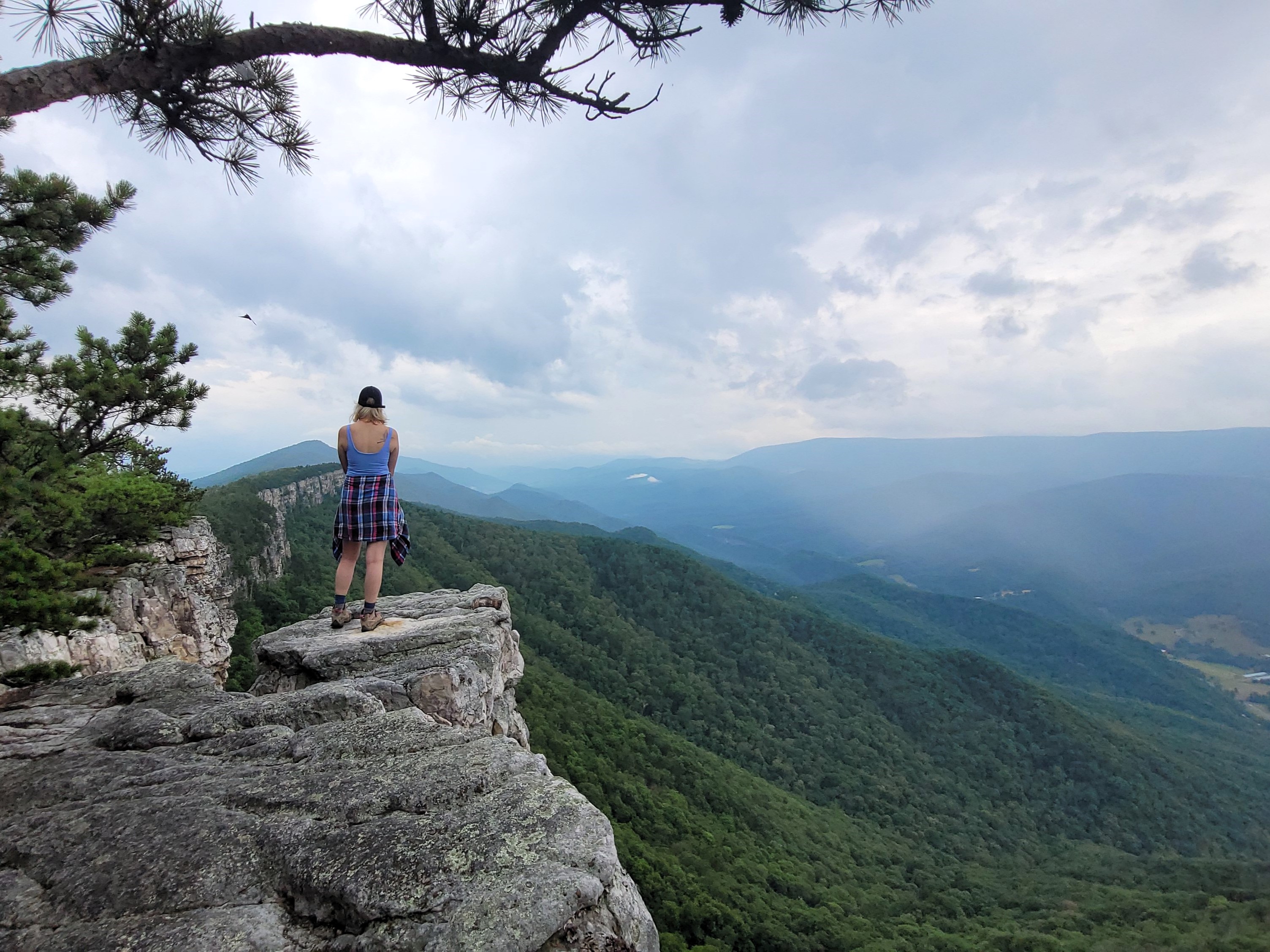
Solo hiking has brought me a sense of freedom that is hard to find anywhere else. Going at my own pace, embracing solitude and the chance to disconnect from everyday life are some of the many reasons why I like to venture out on my own. It’s my way to recharge, reset and connect with nature on a deep level. But solo hiking also comes with its own unique challenges. Safety should always be a top priority.
If you’re a busy adult looking to recharge in the outdoors or someone who craves some solitude, these 10 tips will help keep you safe while enjoying the benefits of solo hiking. From preparation to mindset, here’s everything you need to know for your next solo adventure. This article includes 3 sections: Planning and Preparation, Solo Hiking Safety, and Mental and Emotional Prep.

Plan and Prepare
1. Start out on a trail that you know
If you are new to solo hiking, begin with a trail that you have hiked before. You will feel more confident and comfortable on a trail you are familiar with. You will already know about the terrain and any challenges. Try starting out with shorter, well-marked trails until you are more confident with being on your own.
2. Bring the essentials
When you are solo hiking, you are completely responsible for your own wellbeing and safety, so you’d better come prepared. Packing the right gear is essential. Here’s my list:
- A map of the trail (download the map on AllTrails)
- Enough water and snacks
- First aid kit
- Layered clothing to keep you comfy in all weather
- A fully charged phone (and a portable charger)
- A whistle, headlamp and multitool
- Pepper Spray
3. Check the trail conditions and weather
Before venturing out on your own, be sure to check the trail conditions and weather. This can be a life saver! Check All Trails, the park website, or facebook for latest trail conditions. This can include essential information like muddy trails, flooded stream crossings, or downed trees. Certain trails can be affected by seasonal closures that aren’t obvious from the trailhead. Weather can change any moment, so it’s also important to look at the hourly weather for the area.

Solo Hiking Safety
4. Tell someone your planned route and when you will return
Always share your hiking plans with someone you trust. Let them know which trail you plan to hike, any alternate routes you may take, and when you think you’ll be done. This little step can be a lifesaver if something goes wrong.
5. Have a safety plan
It’s important to have a plan for any situations that may arise. Even if the trail seems perfectly safe, things can happen. Have a plan in place for things like getting lost, or injured. Research the closest ranger station, or park offices. Make sure you can get in touch with someone if your cell phone dies or service is spotty.
6. Prepare for emergencies
A fully stocked first aid kit is a must! It should have the basics like bandages, antiseptic wipes and painkillers, plus any personal medications. Its also important to know the local plants and wildlife, and the risks they may bring. I like to keep soap in my pack in case I get stung by poison ivy. I also like to keep bee sting spray with me. I like to tailor my pack according to what I may need in each climate or season. Having a plan to deal with injuries or wildlife encounters can help keep you confident and safe.
7. Trust your instincts and know when to leave
This may be the most important tip, based on my personal experience. Your intuition is your best guide when it comes to personal safety. Listen to your gut when you feel uneasy or uncomfortable and know when it’s time to turn back. Don’t try to stick it out for pride, or push yourself if the conditions don’t feel right. If you feel fatigued, see the weather turning, feel uncomfortable with other hikers, or you just don’t feel like you’re prepared enough, there’s no shame in turning back.

Mental and Emotional Prep
8. Practice situational awareness
Hiking solo requires you to have a heightened awareness of your surroundings. It means you need to pay attention to things around you- sights, sounds, smells. Stay aware of who is around you, what kinds of animals may be nearby, or if the weather is changing. Keeping your senses sharp means you are aware of any potential dangers nearby. You can practice this in everyday life, so you can be ready on the trail. This means you will need to limit your distractions on the trail- like leaving your headphones behind.
9. Build mental resilience + motivation
Solo hiking can be challenging, but sometimes the real challenge is your mental state. You can be your own worst enemy if you psych yourself out. It’s important to have mental resilience. Know the difference between pushing past your comfort zone, and actually feeling unsafe. Remind yourself why you’re out there- to connect with nature, to challenge yourself and to recharge. When you’re struggling with moving forward, know how to motivate yourself. Practice speaking to yourself in an encouraging way. Try to keep a positive mindset in the difficult moments, it can make all the difference. You can read more about How Hiking Has Improved my Self Confidence here.
10. Coping with loneliness
One of the challenges I’ve faced when solo hiking is feeling lonely. It can be hard to deal with, especially when you’re used to being with a partner or group. It’s perfectly normal to feel a bit isolated when you’re in nature by yourself. Take this time to be present in the moment, enjoy the quiet, and reflect on your thoughts. Practice grounding techniques like the 5,4,3,2,1 method. Identify 5 things you can see, 4 things you can feel, 3 things you can hear, 2 things you can smell and 1 thing you can taste. This technique is a powerful way to stay in the present moment and reduce anxiety and stress.


Conclusion: Solo hiking is so worth it
Solo hiking is a powerful way to connect with nature, get to know yourself better and build mental strength. It does require some extra preparation, but it’s so worth it. Follow these 10 tips and you can be sure your solo hike is both safe and fulfilling. With the right mindset, hiking alone can be the most rewarding experience. Trust yourself, and be safe!
Ready to hit the trail? Share your favorite solo hiking tip in the comments or tag me in your next adventure post—I’d love to cheer you on and see where your journey takes you!

Need a little inspiration to hike through the workweek? Join my weekly newsletter for tips, trails, and a sprinkle of positivity to keep your adventure spirit alive—no matter where you are!
Leave a Reply